For owners who would rather run the business than the marketing.
Your content marketing, done. You approve it.
Tell us about your business once. Every month PackCraft plans what to say, creates the posts, images and videos, and puts everything in one place for your approval. Then it publishes and shows you what worked.
No repeated briefingNo chasingNo moving files between people and tools
Nothing goes out without your approval.
October
4 ready for your review
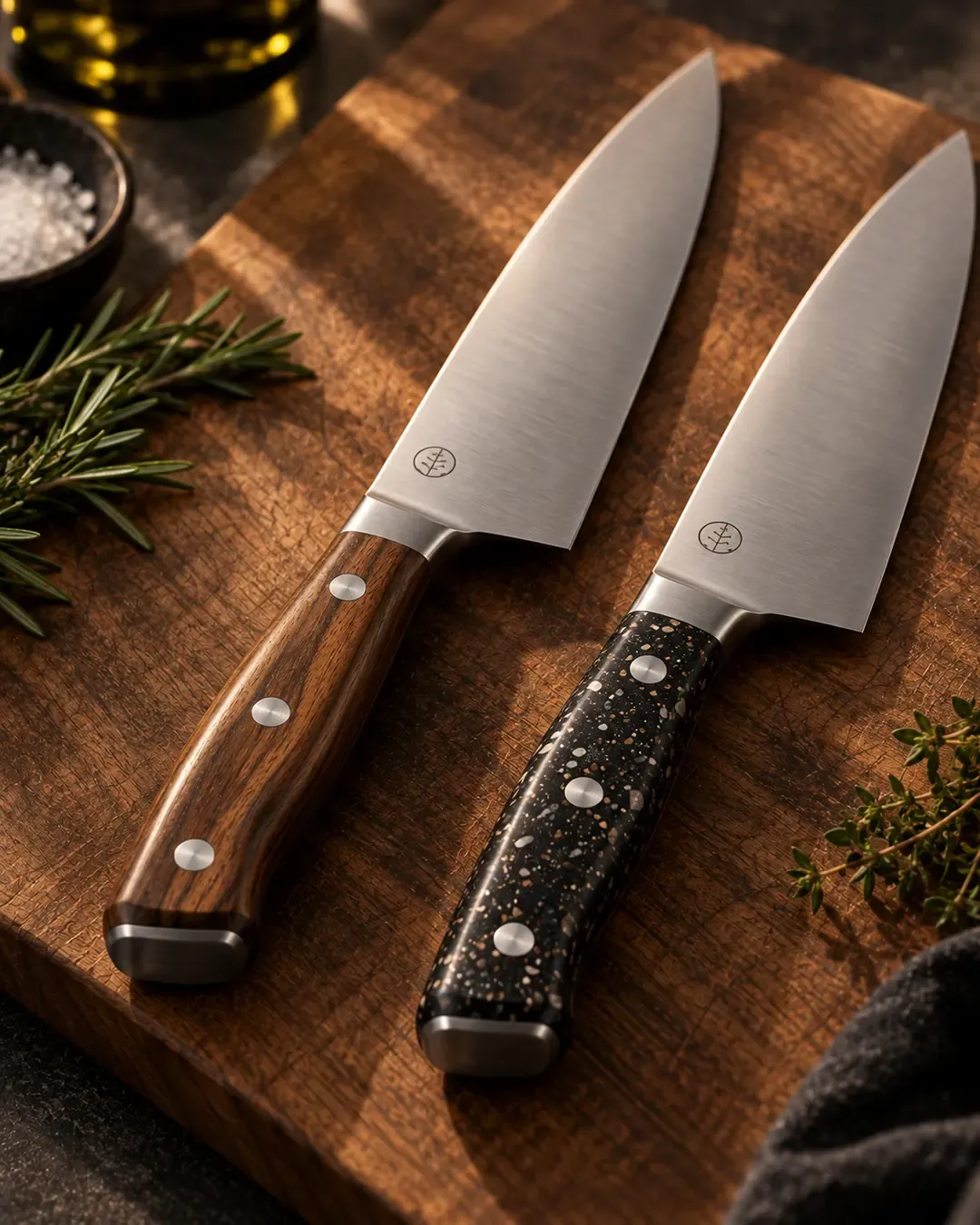
Approved by MayaScheduled · Wed 13:30
Saves
212
2.3× your recent Instagram carousels
Last 6 carousels
Demo account: Northline Kitchen Co.
How it works
Four steps. You do the first one once.
01 once
Tell us about your business once.
Your products, customers, markets, voice and the rules you work by.
02
Your month gets built.
Topics, channels, posts, images and videos. News that can't wait gets a slot too.
03
Review and approve.
Everything is ready in one place. Change anything you want. Approve when you're happy.
04
We publish and shape what comes next.
Approved content goes out on schedule. Results turn into recommendations for next month. You decide what changes.
One flow instead of scattered work.
Today the work is usually scattered across people and tools. Every handoff adds another brief, reminder or correction.
Today
Plan: in someone's head
Write: in a chat window
Design: with a freelancer
Schedule: in a spreadsheet
Approve: in email threads
Publish: copy and paste
Measure: screenshots
PackCraft
- Plan
- Write
- Design
- Schedule
- Approve: you
- Publish
- Measure
You make the decisions. We handle the work between them.
Open your month.
This is what arrives every month. Open any piece.
01
October
02
Week of 12 October · 7 pieces
Mon 12
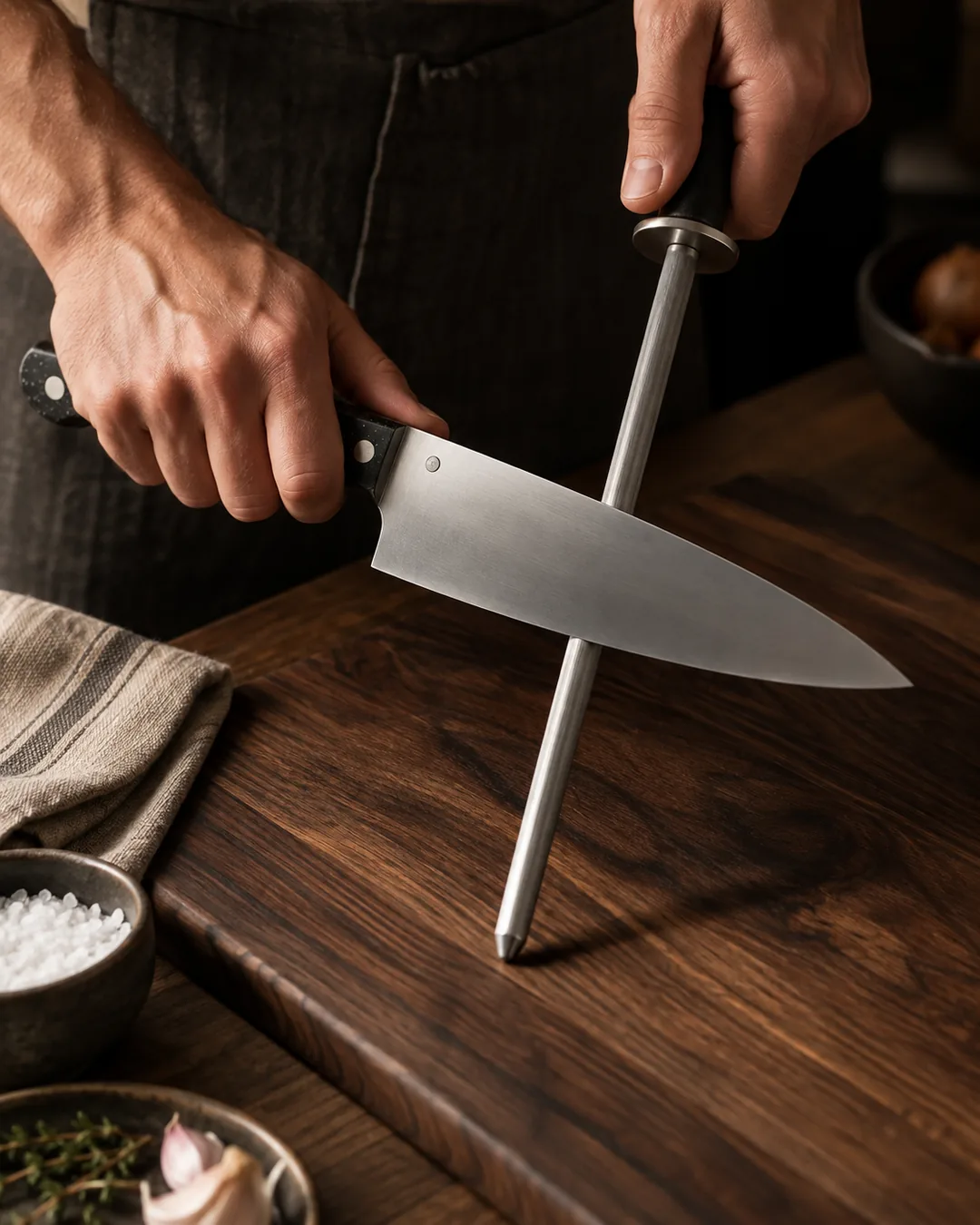
Hone your cook's knife before every cook
Scheduled
Tue 13
Wed 14
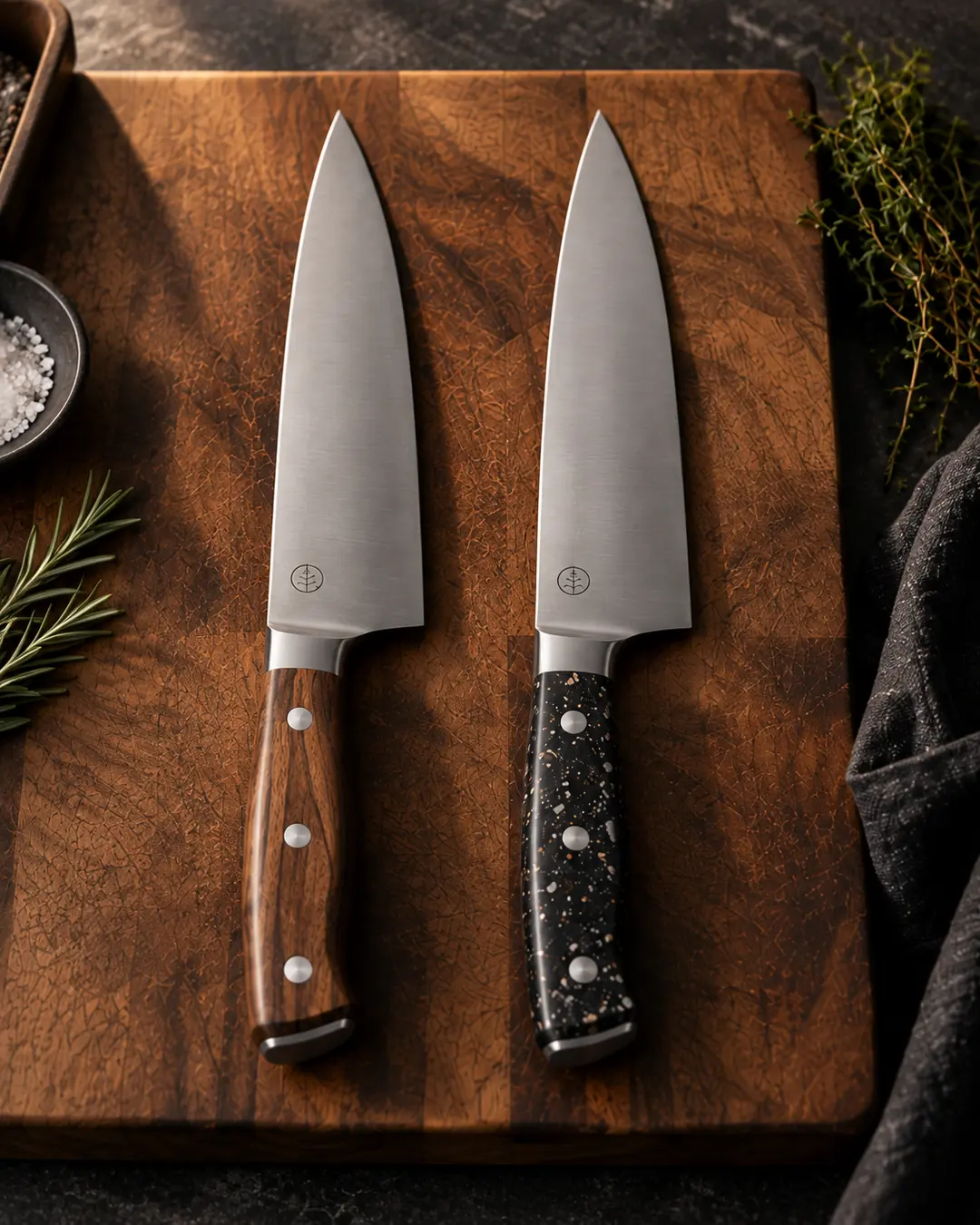
The handle changes tomorrow
Ready for review
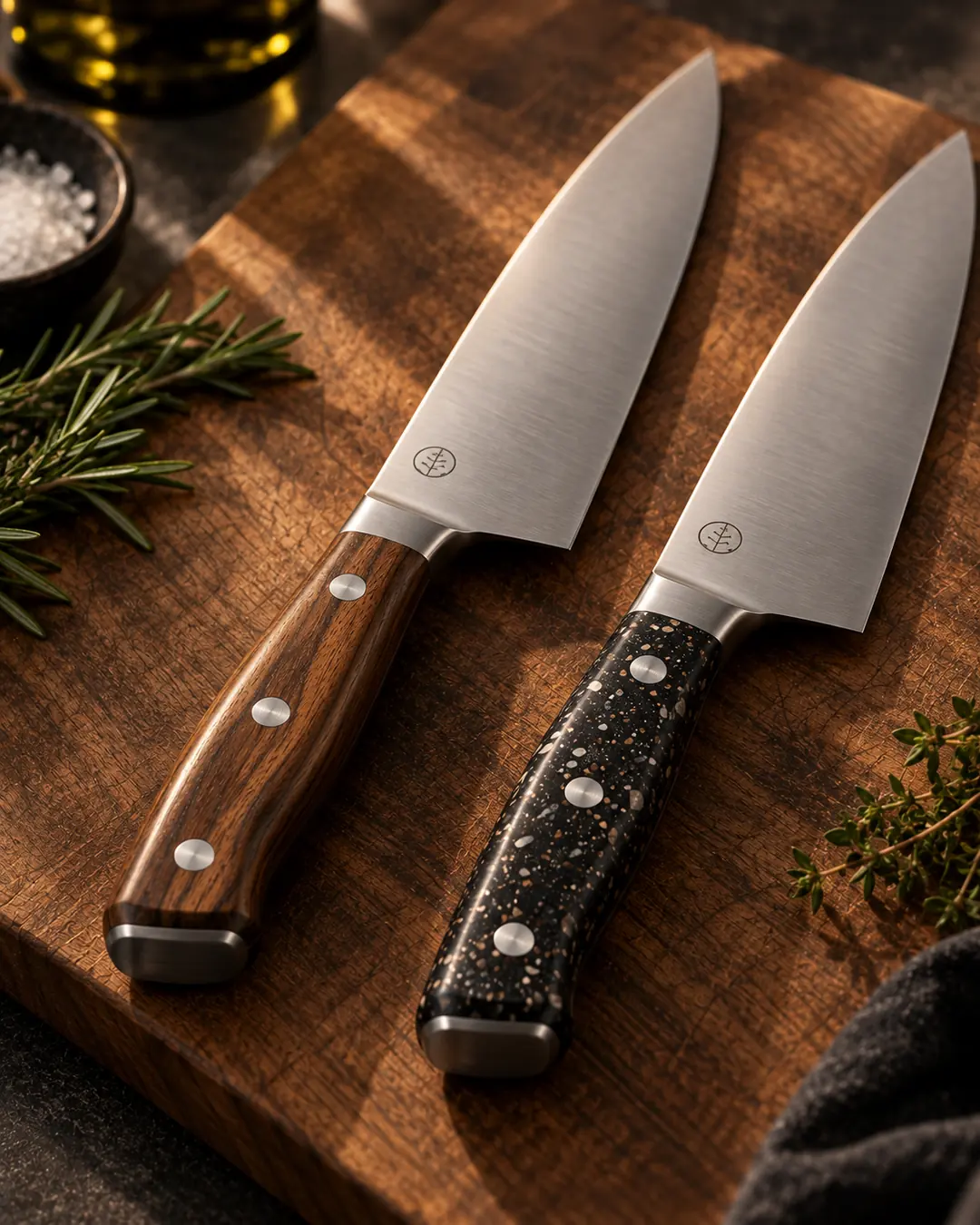
What changed, what didn't
Ready for review
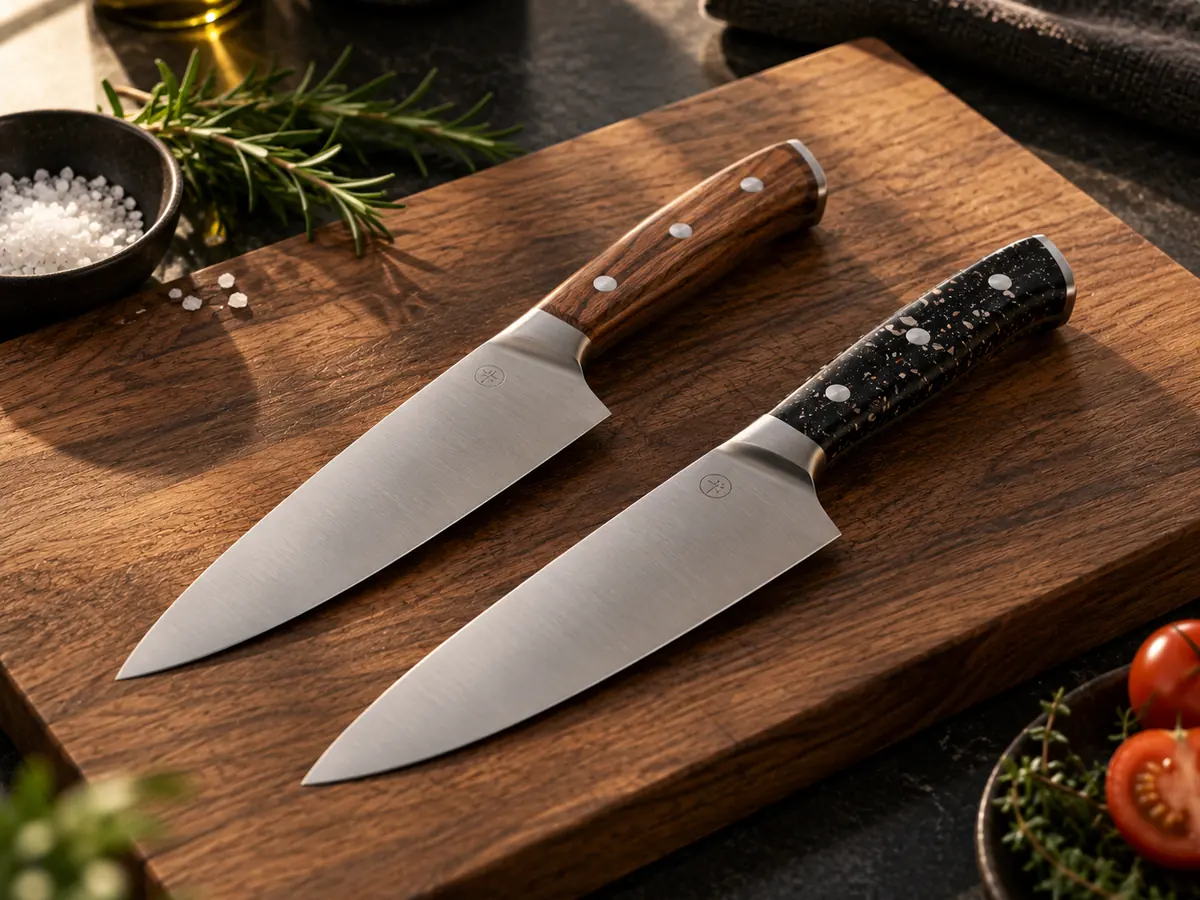
Dishwasher? Hand wash for now
Ready for review
Thu 15
Fri 16
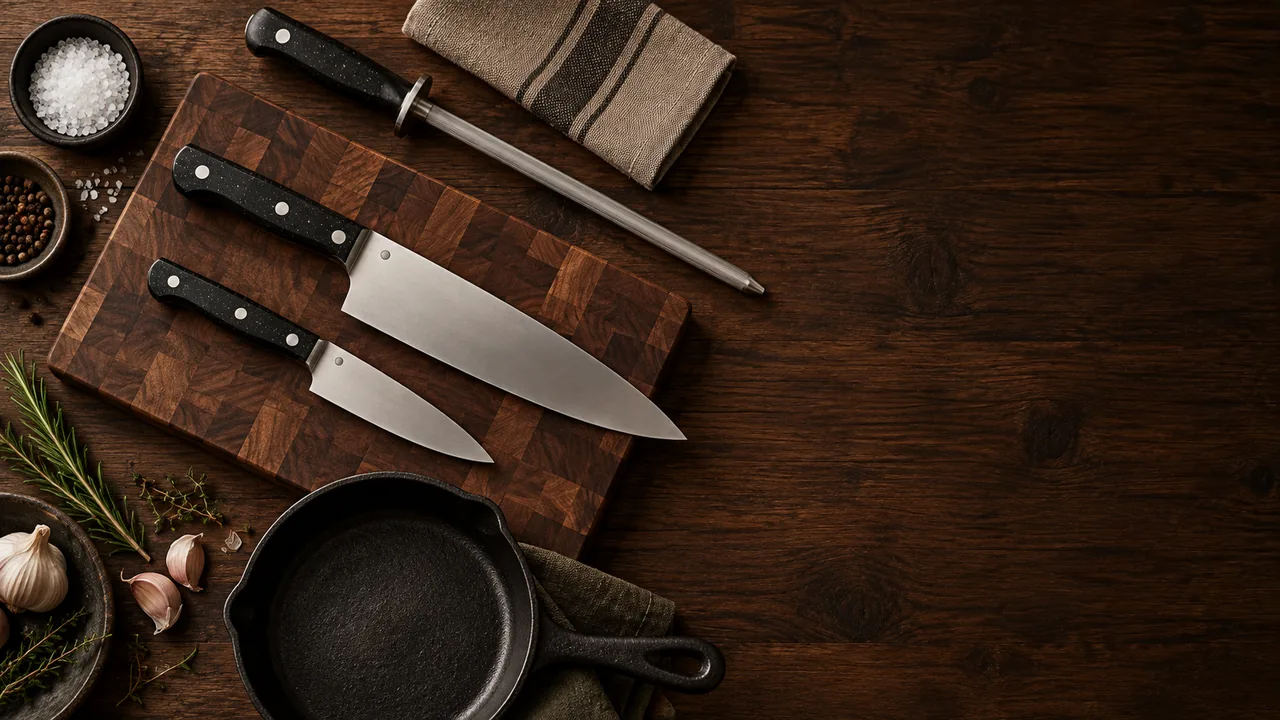
The cookware-care starter kit, explained
Ready for review
Video file: next release
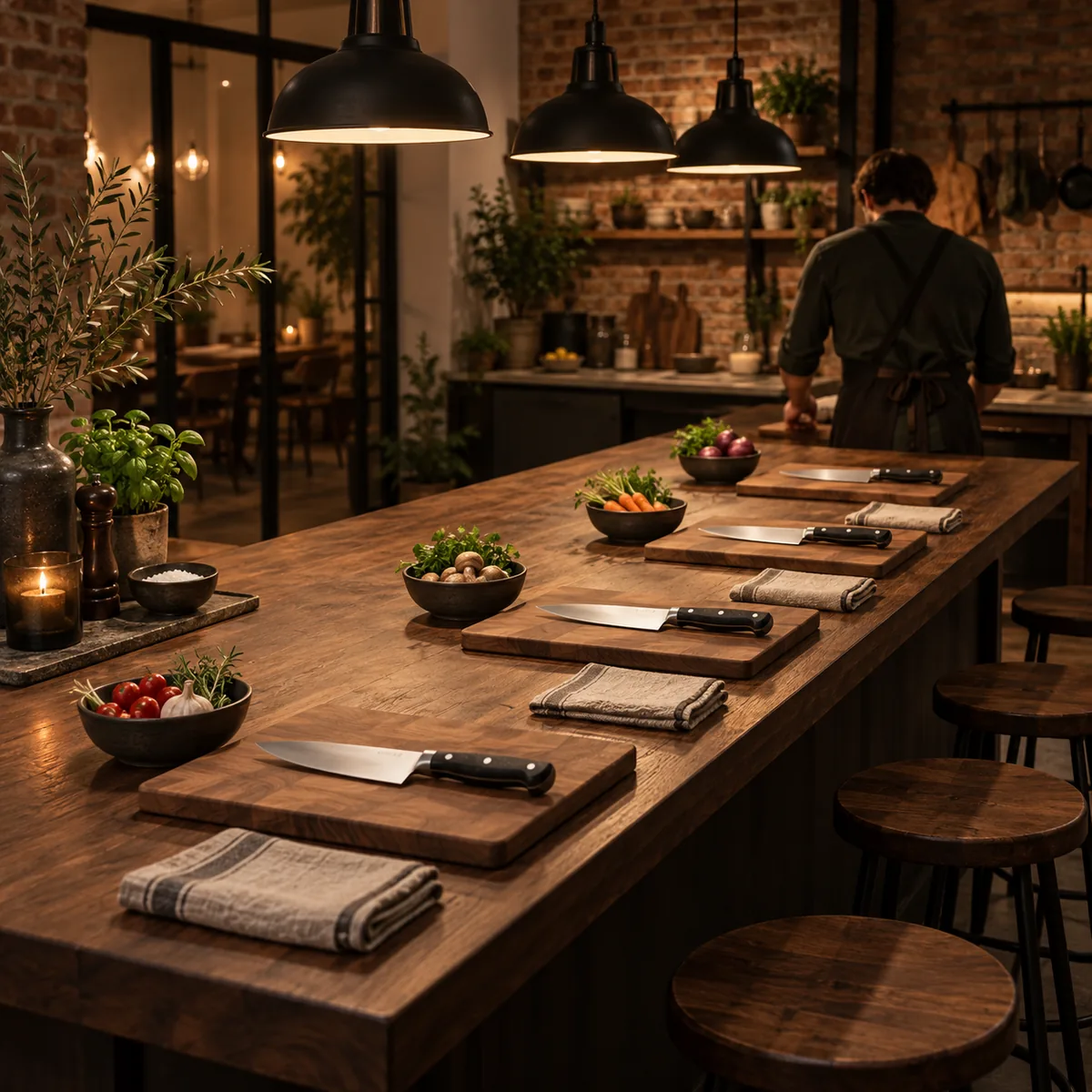
Knife-skills class: book your place
Approved
Sat 17
Sun 18

Knife-skills class: the first 30 seconds
Approved
Video file: next release
03
One topic, three posts
The knife handle changes tomorrow.
New handle from tomorrowBlade, steel and price unchangedDishwasher safety not confirmed
Goal
Start a conversation with people who own the old one
The handle changes tomorrow. Same blade, same steel, same price. What would you want to know before you buy another one?
Goal
Show what changed, in a post worth saving
Changed: the handle. Not changed: blade, steel, price.
Goal
Answer what buyers search for
The new handle is not dishwasher certified yet. Hand wash only for now. Ask at the counter.
Not confirmed yet, so no post claims it
04
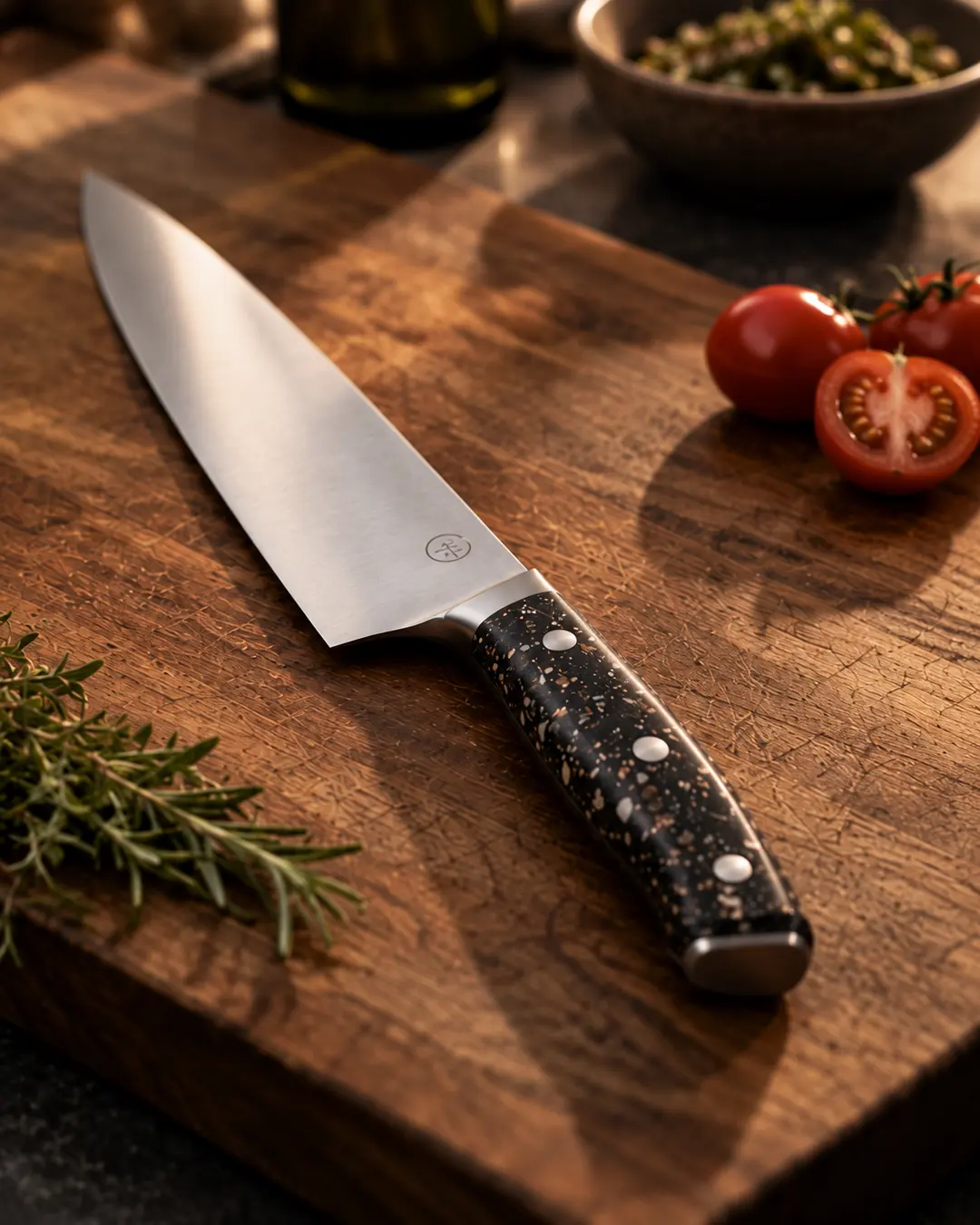
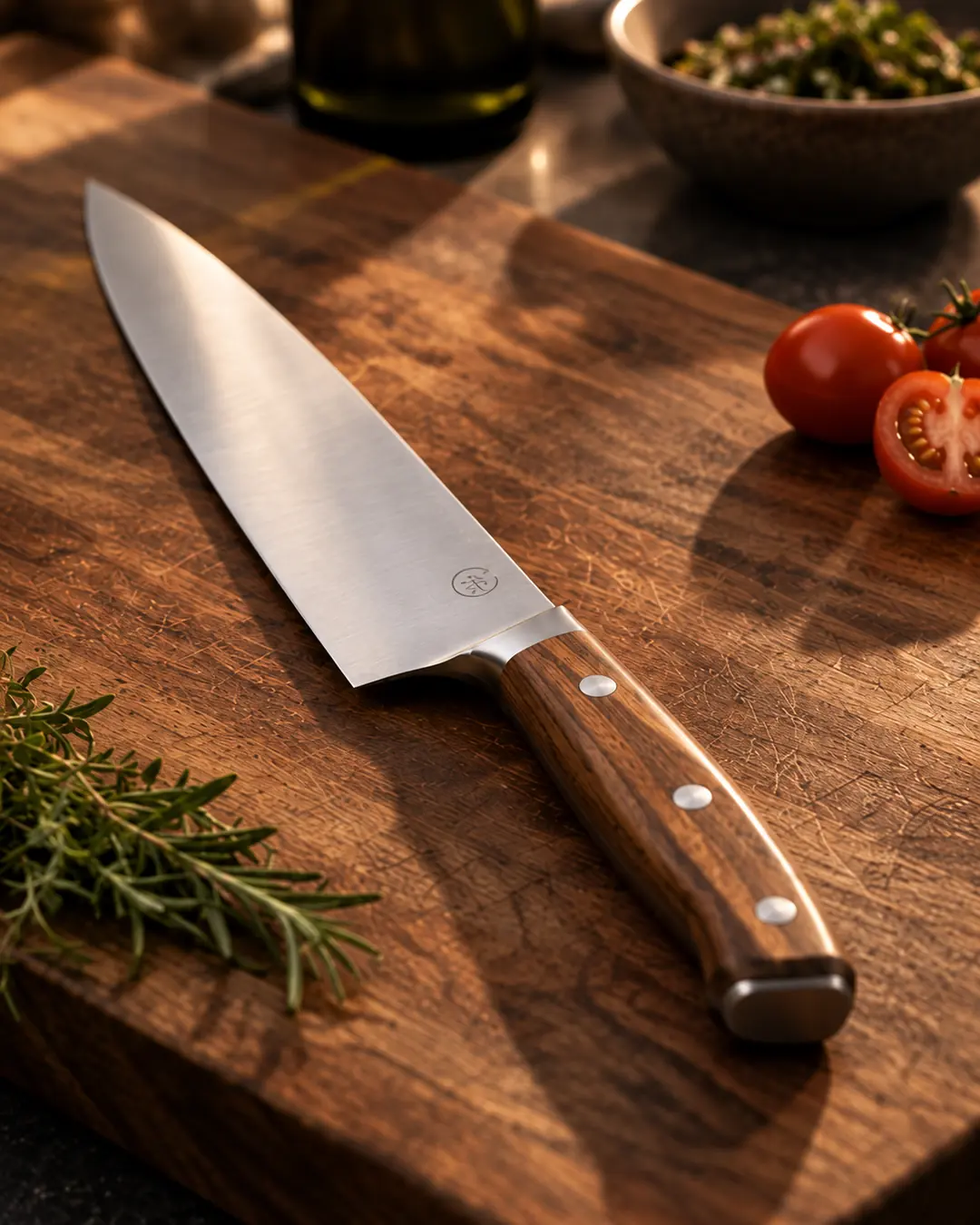
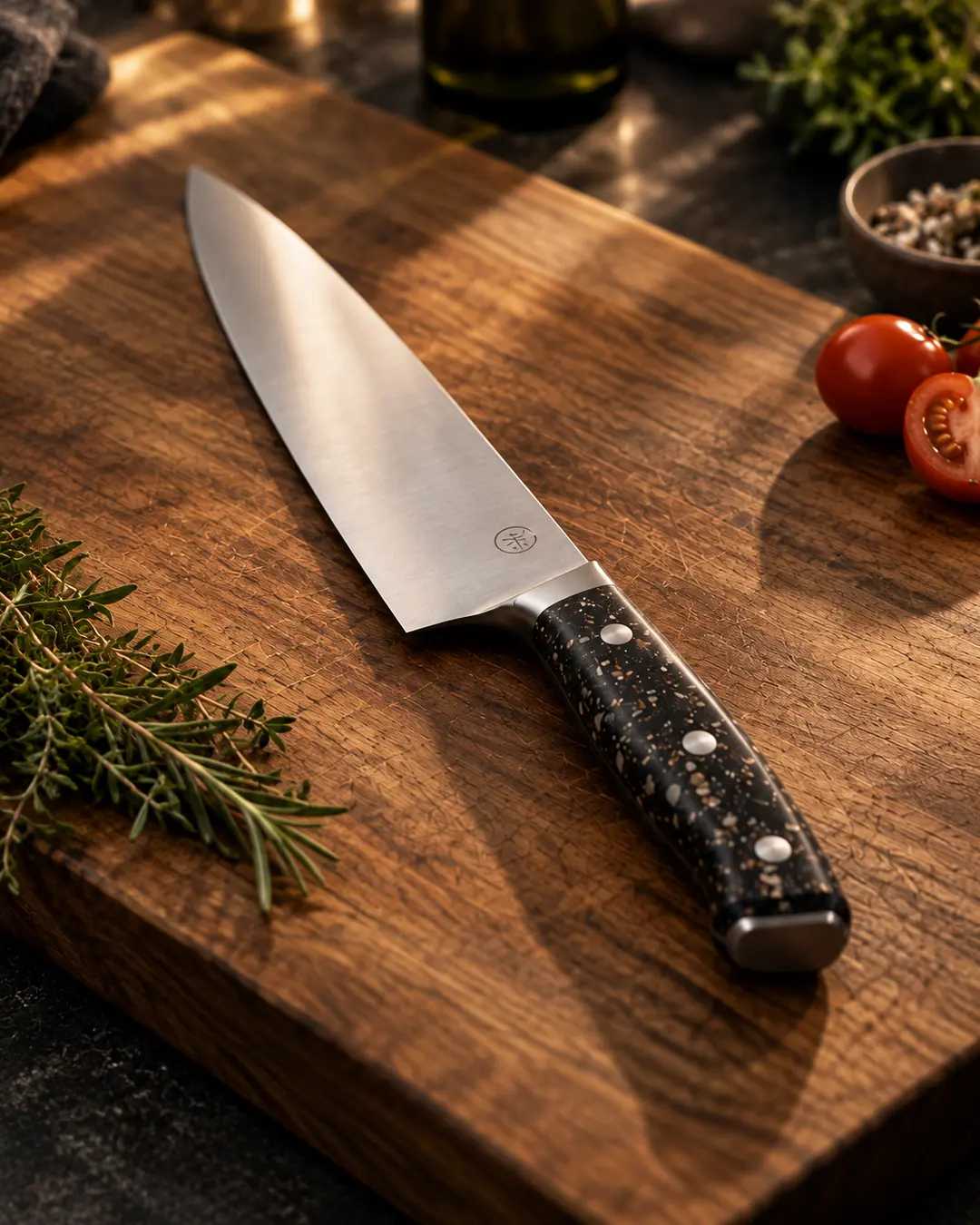
Instagram carousel
Ready for review- Caption
- New handle, same knife. From tomorrow our 20 cm cook's knife comes with a recycled composite handle. The blade, the steel and the price don't change. One honest note: dishwasher safety isn't confirmed yet, so hand wash it for now. Questions? Ask us at the counter or below.
- Hashtags
- Pinned comment
- Wood or composite: which handle would you pick?
- Alt text
- A 20 cm cook's knife with a black speckled handle on a dark walnut board.
- Tracked link
- Ready for link in bio
- Publish
- Wed 14 Oct · 13:30 · United Kingdom
- Format
- Carousel · 4 slides · 4:5 · 1080 × 1350
05
1/4New handle. Same blade.northline.kitchen New handle, same knife. From tomorrow our 20 cm cook's knife comes with a recycled composite handle.
- Approved by MayaTue 13 Oct · 17:42
- ScheduledWed 14 Oct · 13:30
- PublishedWed 14 Oct · 13:30
06
Results
Compared with your recent Instagram carousels
Reach
3,940
1.6×
Saves
212
2.3×
Shares
48
1.9×
Engagement
7.8%
vs 4.1%
Saves on your last 6 carouselsavg 92
Average saves per post · last 90 days
Recommended for November
Carousels were saved 2.4× more than photos.
Add two more carousels.
Knife-care posts reached 1.7× more people than product news.
Add one more care topic.
Nothing changes until you accept.
Illustrative figures from the demo account.
Demo account: Northline Kitchen Co. All figures are illustrative.
Built around how your business works.
Every business has its own rules. We learn yours at setup.
Clinics and healthcare
Keep sensitive facts consistent.
Services, prices, doctors and approved claims stay the same on every channel. Anything unverified waits for a person.

Waits for a person
Several countries or languages
One business, several markets.
Each country and language gets its own version, built from the same business facts.
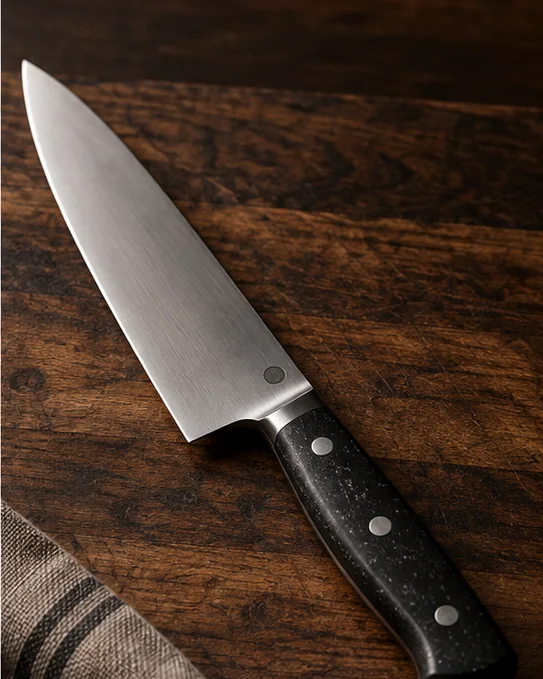 EN£89
EN£89United KingdomEnglish
DE99 €GermanyDeutsch
FR105 €FranceFrançais
Same business facts · 3 market versions
Shops and local businesses
When something changes, every channel says the same thing.
New product, new price, new hours. We add it to the plan and every channel gets the right version.
northline.kitchen2h
Late opening on Thursdays from November: until 20:00
Post
Late opening on Thursdays from November: until 20:00
Update
Late opening on Thursdays from November: until 20:00
One change · every channel · same day
The work is done for you. The control stays with you.
01
Nothing publishes without your approval.
A person approves the exact version that goes out.
02
If we don't know, we ask instead of guessing.
A missing fact holds the piece until someone checks it.
03
5 minutes.
Measured system time from topic to ready work. Review and publishing come after.
04
Set up once. Used every month.
Your facts, voice and rules stay together in one place, so each month starts from what you already approved.
One setup powers every channel you use.
17 channels · 15 formats
Pay for markets. Not seats, credits or generations.
1 market = 1 country and 1 language.
| Market | First month | Monthly after |
|---|---|---|
| Primary market | $600includes business setup | $1,200 |
| Second market | $375 | $750 |
| Third and each additional market | $300 | $600 |
- Each market can use up to 8 of 17 channels.
- Your knowledge base belongs to you.
- Cancel with 30 days' notice.
How starting works
01
Start with three details about your business.
02
We email you your personal link.
03
Continue the setup whenever you want. Your progress is saved.
Questions business owners ask
What is PackCraft?
A content marketing platform that does the work for you. Every month we plan your content, create the posts and images for your channels, publish what you approve and show you what worked.
Who is it for?
Owners of small and medium businesses who want consistent content without managing a collection of people and tools. It is especially useful when you publish regularly, work across several channels or markets, or have business facts that need to stay accurate.
Does anything go out without my approval?
No. Every piece waits in your workspace until you approve the exact version. You can change anything before you approve. If a fact is missing, we ask instead of guessing.
How much does it cost?
Pricing is per market. One market is one country and one language. Your first market costs $600 for the first month, including business setup, then $1,200 per month. A second market costs $375, then $750 per month. Each additional market costs $300, then $600 per month. Cancel with 30 days' notice.
Which channels do you cover?
We support 17 channels and 15 content formats. Each market can use up to 8 channels.
How do I start?
Start with three details: your email, company name and website or social profile. We email you a personal link, and you can continue the setup whenever you want. Your progress is saved.
How do you measure results?
We bring the results back next to each piece and compare them with your own recent performance where the data allows. Results turn into recommendations for next month. You decide what changes.